


The image of a nurse is often one of tireless strength—a pillar of support for patients in their most vulnerable moments. However, beneath the scrubs and the professional composure, a quiet crisis is unfolding. Modern nursing trainees are facing a level of psychological pressure that is historically unprecedented. The combination of rigorous academic standards, the emotional weight of clinical rotations, and the high-stakes nature of healthcare has created a „perfect storm“ for burnout before their careers even fully begin.
Understanding this pressure is the first step toward solving it. For many students, the struggle begins with the sheer volume of work. Balancing a 12-hour hospital shift with a pile of research papers is a recipe for chronic exhaustion. In these moments of peak intensity, seeking an assignment helper can be a vital survival strategy. By delegating the heavy lifting of general academic research, trainees can protect their limited sleep hours and maintain the mental clarity required for safe patient care. This isn’t just about getting a grade; it’s about preserving the mental bandwidth needed to learn the life-saving skills that define the nursing profession.
The Anatomy of Academic Burnout in Nursing
Nursing education is unique. Unlike many other undergraduate paths, it requires a dual mastery of complex scientific theory and high-pressure practical application. This „split-brain“ requirement leads to several specific stressors that can erode a student’s mental health over time.
First, there is the phenomenon of compassion fatigue. Trainees often witness suffering, trauma, or death for the first time during their clinical placements. While seasoned professionals have developed coping mechanisms over decades, a student may find it difficult to transition from a grieving family at 2:00 PM to a lecture on pharmacology at 4:00 PM. This emotional whiplash is rarely addressed in standard curricula.
Second, the „perfectionism trap“ is rampant in medical fields. In nursing, a mistake isn’t just a point off a test; it represents a potential threat to patient safety. This creates a baseline of anxiety that rarely resets, even during holiday breaks. Finally, social isolation plays a massive role. While students in other majors are enjoying weekend social events or consistent sleep schedules, nursing students are often working night shifts or weekend rotations, leading to a breakdown of their personal support networks.
Comparing Stressors: Traditional vs. Clinical Learning
| Feature | Classroom Learning | Clinical Rotations |
| Primary Stressor | Grades and Deadlines | Patient Safety and Ethics |
| Physical Toll | Sedentary / Eye Strain | Exhaustion / Foot Pain |
| Emotional Impact | Performance Anxiety | Grief and Moral Distress |
| Recovery Time | Evenings / Weekends | Irregular / Minimal |
The Physiology of Student Stress
To understand why support is so critical, we must look at what happens to the body during a grueling semester. When a nursing student is constantly worried about failing an exam or missing a clinical detail, their body remains in a state of „fight or flight.“ This leads to an overproduction of cortisol, which, over months, can impair memory, weaken the immune system, and lead to chronic fatigue.
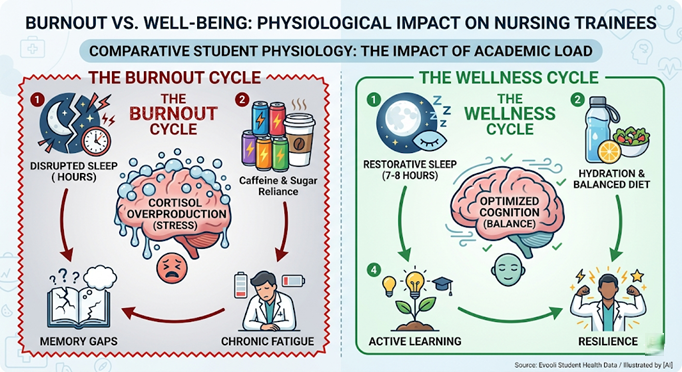
This is why mental health support isn’t just a „luxury“—it is a physiological necessity. A student who is mentally exhausted is more likely to make a medication error or fail to notice a subtle change in a patient’s vital signs. Therefore, providing academic and emotional relief is actually a form of patient advocacy.
Why Support Systems Must Evolve
The old-school mentality of „toughening up“ is no longer sustainable in the modern healthcare landscape. We are seeing a global shift where universities are beginning to recognize that a student’s mental health is directly linked to their clinical competency. When a student is overwhelmed by the technicalities of a case study or a complex care plan, they need specialized guidance that understands the medical nuances of their work.
This is where expert intervention becomes necessary. Accessing professional nursing assignment writers through MyAssignmentHelp Services ensures that the technical documentation remains accurate while the student focuses on their emotional well-being. By utilizing such specialized support, trainees can bridge the gap between their practical experiences and their academic requirements without sacrificing their mental health. It allows for a more focused approach to learning, where the student isn’t just surviving the semester but actually absorbing the critical knowledge required for their future roles.
Developing Clinical Resilience
Building resilience is not about avoiding stress, but about developing the tools to manage it. For a nursing trainee, this means identifying which tasks are essential for their growth and which are purely administrative. If a student is spending twenty hours a week formatting bibliographies for a non-core elective, that is time stolen from sleep or clinical reflection.
Resilience also comes from „debriefing.“ In a hospital setting, staff often meet after a difficult shift to talk through what happened. Nursing students should implement this in their own lives. Finding a group of peers who understand the specific pressures of the ward can prevent emotional trauma from taking root.
Practical Strategies for Student Balance
- Strict Boundary Setting: Designate „No-Study Zones“ in your home. When you are in these areas, your brain should be allowed to fully disengage from medical terminology and clinical worries. This helps reset the nervous system.
- Strategic Resource Management: Recognize when a task is a „learning priority“ versus an „administrative burden.“ If a non-core elective is draining your energy, use academic tools to streamline your workload.
- Physical Maintenance: It sounds simple, but hydration and nutrition are often the first things to go during finals. A well-fed brain is significantly more resilient to stress than one running on caffeine and sugar.
The Long-Term Impact of Student Wellness
If we support nursing trainees now, we prevent the „burnout cycle“ that plagues the nursing profession. Many nurses leave the field within the first five years because they were already exhausted before they even graduated. By teaching students that it is okay to ask for help—whether that is through a counselor or an academic support service—we are training them to be sustainable professionals.
Essential Resources for Nursing Students
Maintaining your mental health requires a „toolkit“ of reliable resources. Here are a few recommended avenues for support:
- Campus Counseling: Most universities offer free, confidential mental health sessions specifically tailored for high-stress majors. These professionals understand the unique burdens of healthcare students.
- The DAISY Foundation: This organization offers resources and recognition for nursing students to stay motivated and connected to the „why“ of their profession.
- Student Wellness Apps: Tools like Headspace or Calm often have student discounts and provide quick 5-minute sessions for use during hospital breaks to lower heart rates.
- Peer Support Circles: No one understands the unique stress of a coding patient or a difficult instructor like your fellow classmates. Regular check-ins are vital.
Conclusion
The future of healthcare depends on the well-being of those currently in training. By acknowledging the immense mental load placed on modern nursing students and providing them with the tools—both emotional and academic—to succeed, we ensure a healthier, more compassionate nursing workforce for the generations to come. Prioritizing your mind is not a sign of weakness; it is the most professional decision you can make as a future nurse. Real strength lies in knowing when to delegate, when to rest, and when to ask for a helping hand.
Frequently Asked Questions (FAQ)
Q: Is it normal to feel overwhelmed in my first year of nursing school?
Ans: Absolutely. Most nursing students report a significant spike in stress during their first clinical rotation. It is a sign that you care about your performance, but it must be managed to prevent long-term burnout.
Q: How can I tell the difference between „normal stress“ and burnout?
Ans: Stress usually involves „too much“—too many tasks, too much pressure. Burnout is „not enough“—feeling empty, devoid of motivation, and beyond caring. If you feel indifferent to your results, it’s time to seek support.
Q: Does using academic help affect my learning?
Ans: When used correctly, it enhances learning. By seeing how experts structure complex care plans or research papers, you gain a template for your own future professional documentation while saving time for hands-on practice.
Q: How can I improve my sleep while on clinical rotations?
Ans: Focus on sleep hygiene: black-out curtains for day-sleeping and avoiding blue light for at least 30 minutes before bed. Protecting your sleep is the most important thing you can do for your mental health.
Q: What should I do if I witness a traumatic event at the hospital?
Ans: Speak to your clinical instructor immediately. They are there to help you process these events. Do not bottle up the experience; talking about it is the first step in preventing secondary traumatic stress.
About The Author
Hello, I’m Min Seow. With a background in academic strategy and a passion for student advocacy, I work as an educational consultant at MyAssignmentHelp Services. My primary focus is helping students navigate the complex pressures of modern higher education by bridging the gap between rigorous academic requirements and practical, high-quality research.